Empowering Kids and Women
through Art, Sport & Education
Empowerment through art, sports, and community-based initiatives supporting at-risk communities around the world.
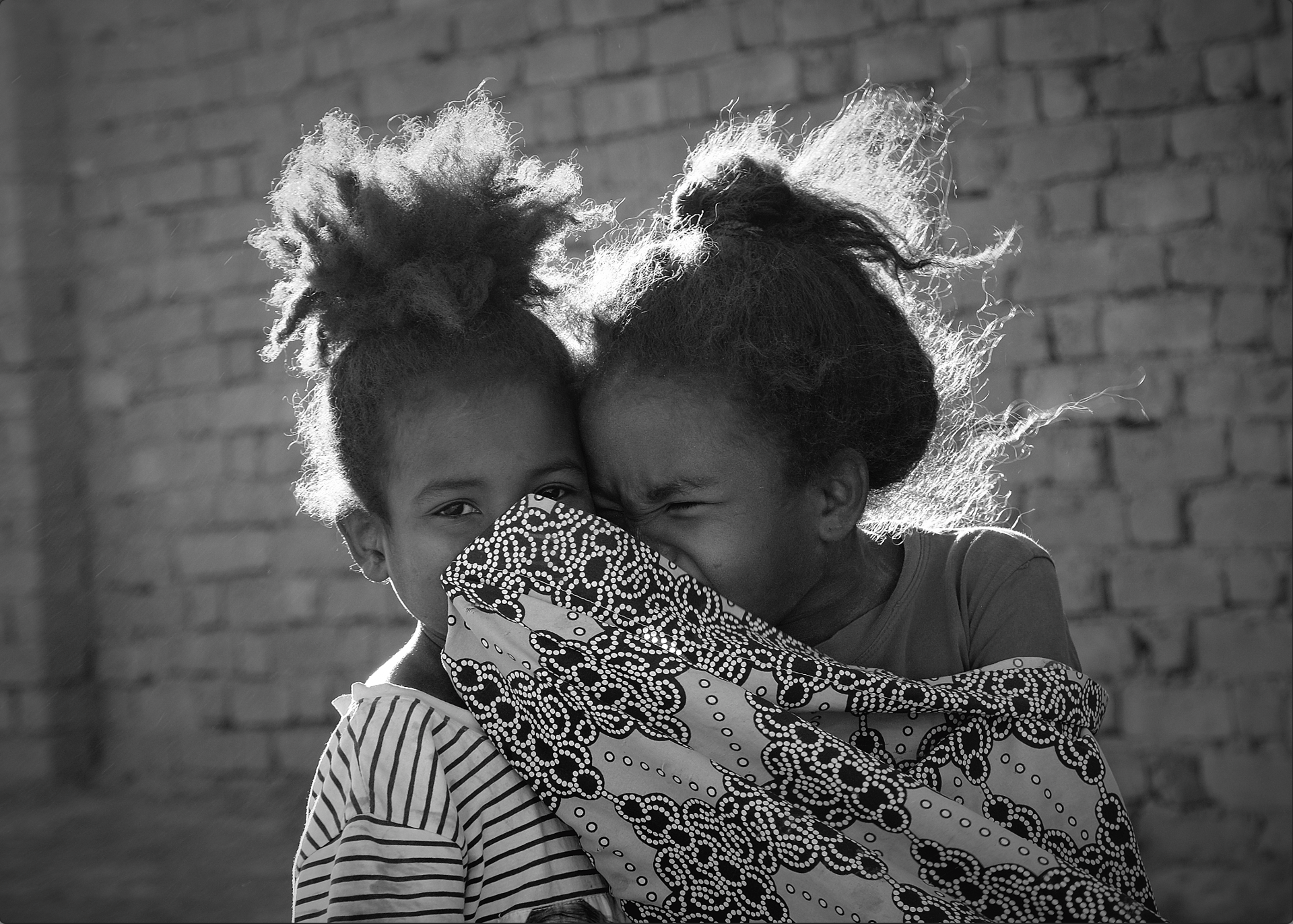
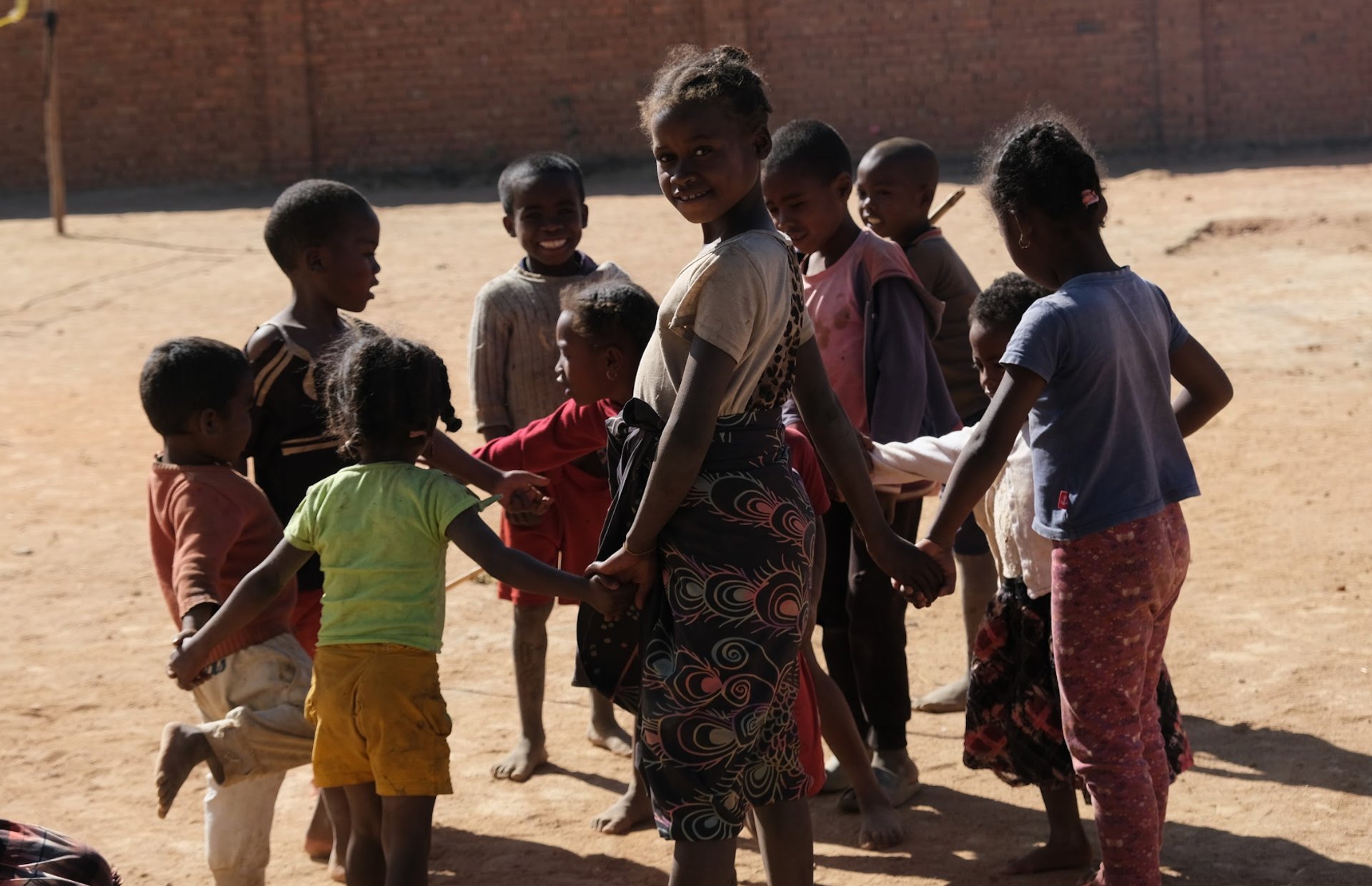
Ihosy, Madagascar 2024
Current Projects:
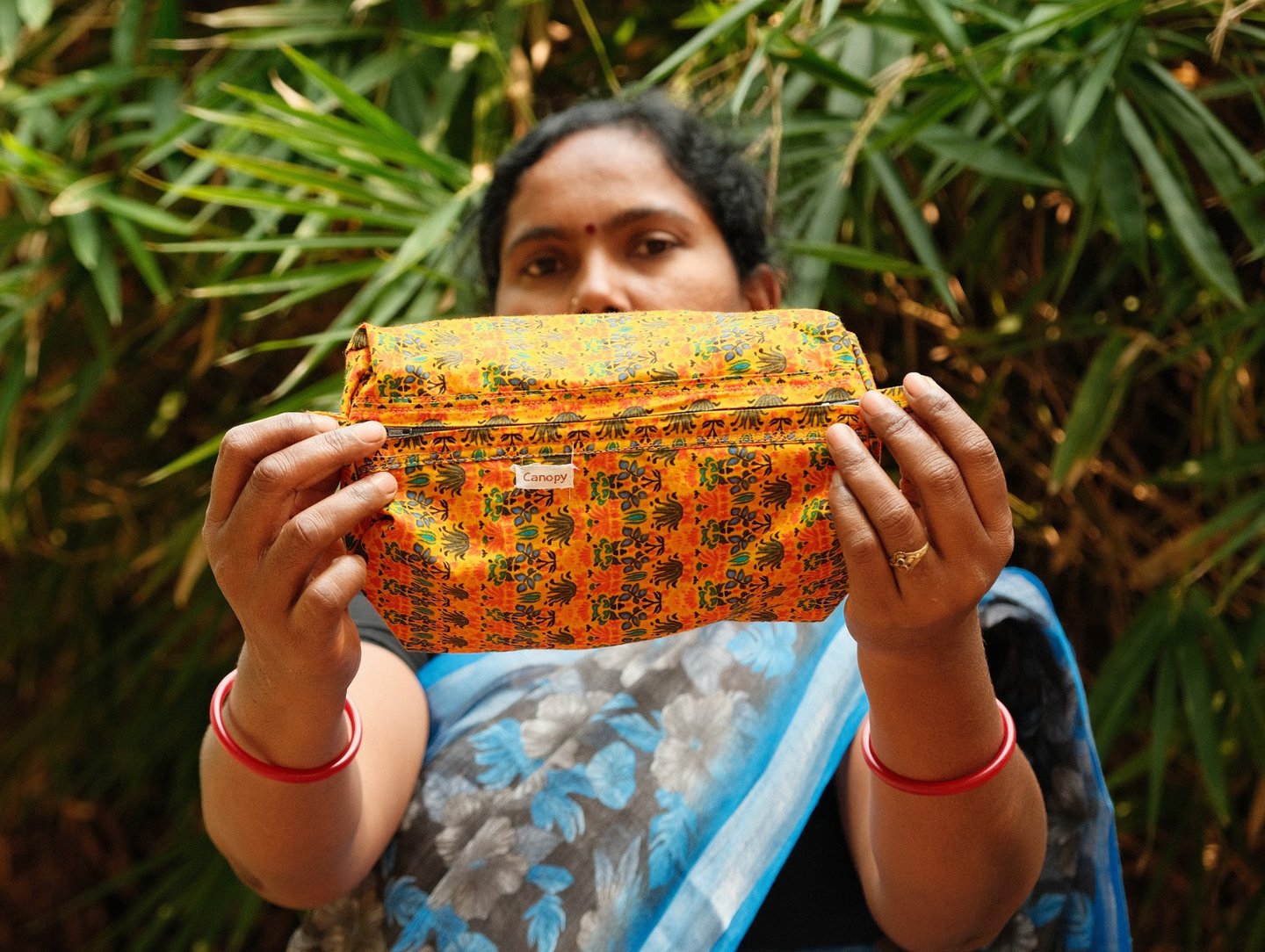
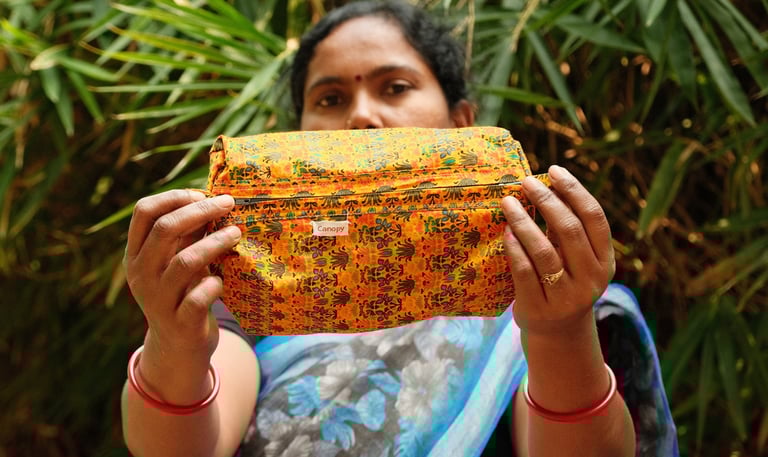
Canopy Project: Sewing Workshop for Women’s Empowerment in Madurai
Deeba with the prototype of our pencil cases, 2025
Free socio-educational program and preschool classes for the youth of Soakilonga
since 2025
since 2024
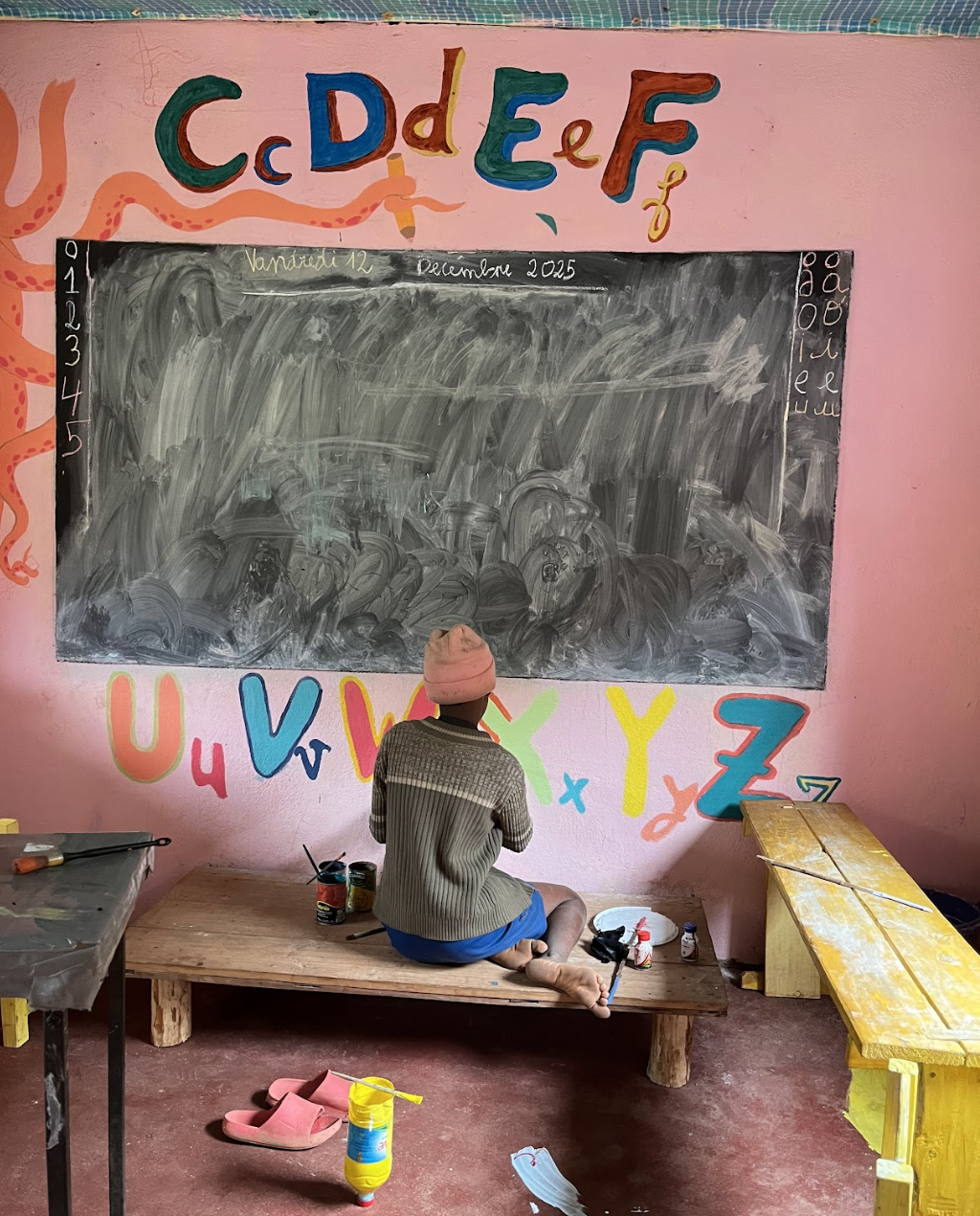
Painting of the preschool classroom alphabet in Soakilonga, Tsarazaza, 2025.
Brief socio-economic landscape of India and
Tamil Nadu
India is the 7th largest country in the world and the most populous since 2023 with a population of more than one billion four hundred and twenty millions (1,428,627,663).
Although now the 5th world power, malnutrition affects more than a third of Indian children, or 60 million children (practically half the population).
Income inequality is increasing. India is still one of the most unequal countries in the world. In 2024, the richest 1% will account for 40% of total national wealth.
India leads in corruption in Asia, with a rate of 39%. Corruption is part of Indian daily life, with nearly one in five citizens forced to pay a civil servant to access an essential public service, such as health or education.
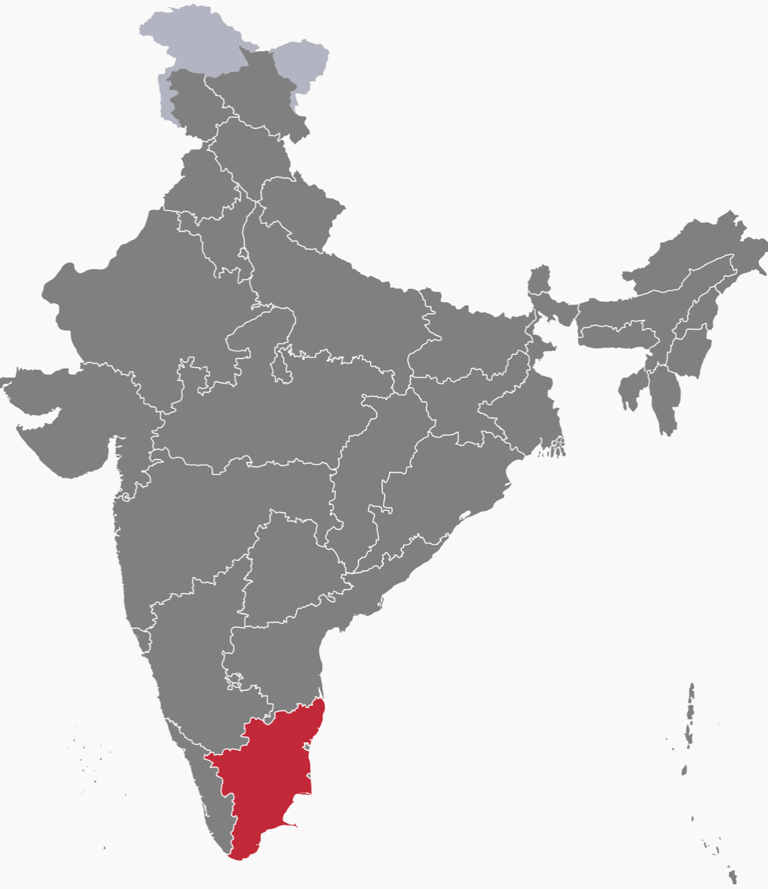
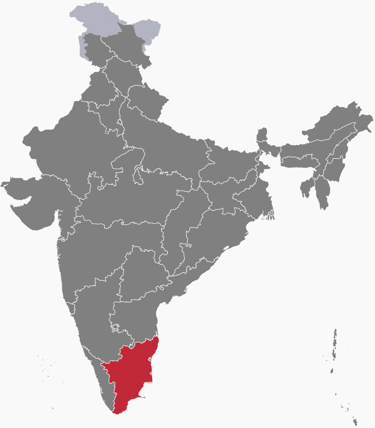
Tamil Nadu is the southernmost state of India, located on the south-eastern coast of the Indian peninsula. They speak the Tamil language, one of the longest surviving classical language.
As the most urbanised state of India, Tamil Nadu is the second-largest economy amongst the 28 states of India. Nevertheless, parts of the state still record high levels of poverty. Although consumption inequality in the state decreased slightly after 2005, it still remains higher than in many other states.
Brief socio-economic landscape of
Madagascar
Madagascar 7th country in the world most affected by climate change and is extremely affected by deforestation (in 1952, primary and endemic forest covered 87% of the island, today 10% thanks to reforestation efforts).
The slow economic growth of this country with a population of approximately 30.3 million habitants, combined with rapid population growth has made Madagascar one of the countries with the highest poverty rate in the world, reaching 75 % in 2022.
During the period from November 2022 to March 2023, 2.23 million people are classified as high acute food insecurity.
39% of the population are between 0 and 14 years old, the average age is 22 years old. The extreme youth of the Malagasy population leads to growing social demand for education, health, jobs, housing and infrastructure, which also represents a challenge for the environment.
32% of girls become pregnant before they reach the age of majority. These early and often unwanted pregnancies contribute to keeping young women away from education and the job market, and to keeping them in poverty.
This situation is exacerbated by the increase in climate crises and increased vulnerability to external shocks (COV-19, wars, etc.).
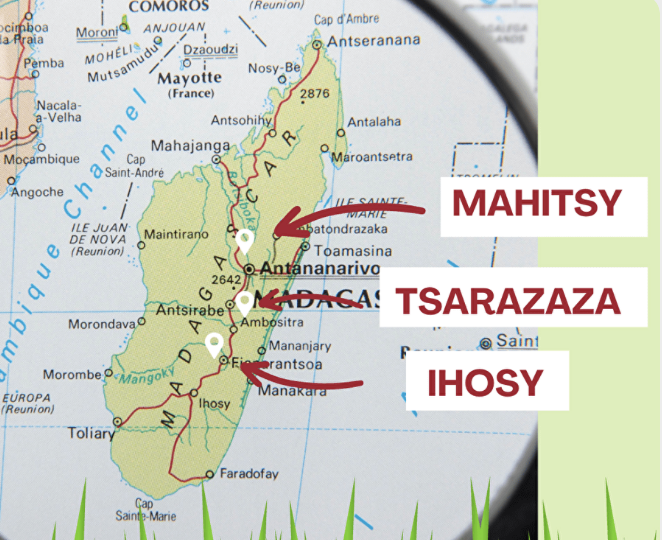
Soakilonga's 3 centers